
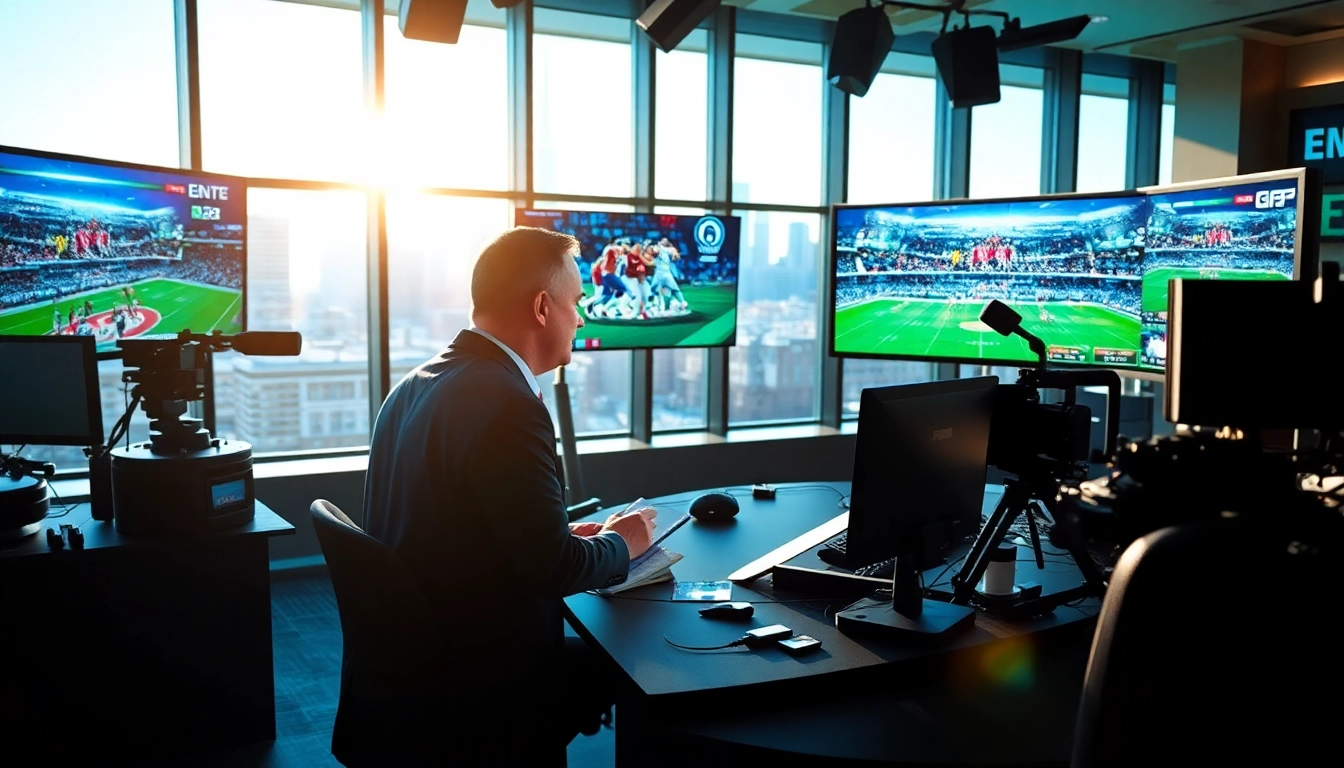
Understanding Sports Broadcasting
What is Sports Broadcasting?
Sports Broadcasting encompasses the practice of transmitting live or recorded sporting events to audiences via various platforms, including television, radio, and digital mediums. This integral component of the sports industry not only delivers real-time enjoyment to fans but also engages viewers in a shared experience. Through professional commentary, analysis, and insightful coverage, Sports Broadcasting allows fans to feel connected to their favorite players, teams, and events across vast distances. Today, Sports Broadcasting has evolved significantly, reflecting cultural shifts, technological advancements, and the ever-changing preferences of sports fans worldwide. To gain deeper insights into the best practices and evolution of this dynamic field, explore Sports Broadcasting.
The Evolution of Sports Broadcasting
The journey of Sports Broadcasting dates back to the early 20th century when radio became the primary medium for sports coverage. Pioneering broadcasts brought iconic events to fans‘ homes, making sports more accessible. In the latter half of the century, television emerged as the dominant force, offering visual storytelling and enabling fans to witness the thrill of live games firsthand. Technological innovations such as high-definition broadcasts and instant replay dramatically transformed viewer experiences. The last two decades have seen a surge in online streaming platforms, allowing fans to watch sports on their terms, further revolutionizing the industry.
Key Components of Sports Broadcasting
Key elements that define effective Sports Broadcasting include:
- Commentary: Expert analysis and play-by-play details are crucial for keeping viewers informed and engaged.
- Production Quality: High-resolution visuals, sound quality, and seamless graphics enhance the overall viewing experience.
- Broadcast Rights: The legal aspect of acquiring rights to air events impacts revenue and accessibility.
- Audience Engagement: Engaging the audience through social media interactions and viewer polls fosters a sense of community.
Types of Sports Broadcasting
Television Broadcast
Television remains a cornerstone of Sports Broadcasting despite the rise of new media. Traditional cable sports networks attract millions of viewers with exclusive rights to major events like the Super Bowl, Olympics, and World Cup. These broadcasts often highlight pre-game shows, halftime analysis, and post-game discussions, enriching the audience’s understanding of the sport and the environment. Notably, technological advances such as 4K resolution and interactive features elevate the television experience, making it indispensable for many fans.
Radio Sports Broadcasting
Although overshadowed by visual media, radio broadcasting maintains its own value, particularly for audiences on the go. Radio sports broadcasts deliver live commentary and updates, creating a unique auditory experience. They allow listeners to visualize plays through descriptive commentary, often featuring passionate announcers who enhance the excitement. Also, as many stations create dedicated sports talk formats, they provide in-depth analysis, fan interaction, and discussions about sporting events, contributing to the overall landscape of Sports Broadcasting.
Online Streaming Services
The advent of online streaming services has changed how fans engage with sports. Platforms like ESPN+, DAZN, and numerous others provide on-demand access to a plethora of sporting events, often bypassing traditional cable subscriptions. The flexibility of watching games on smartphones, tablets, or smart TVs empowers fans to personalize their viewing experiences. Additionally, features such as multi-camera angles, interactive stats, and social integration create an immersive experience that resonates well with younger audiences who favor digital consumption.
Best Practices in Sports Broadcasting
Audience Engagement Techniques
Engaging the audience goes beyond just delivering content; it’s about creating a dialogue. Broadcasters can implement strategies like live Q&A sessions, polls during games, and interactive apps that allow fans to voice opinions and predictions. These tactics not only enrich the viewing experience but also strengthen audience loyalty. Campaign events such as fantasy leagues can further drive engagement, harnessing the competitive spirit of fans.
Utilizing Social Media Effectively
In today’s digital age, social media is pivotal in fostering community engagement. Broadcasters should leverage platforms like Twitter, Instagram, and TikTok to create shareable content, promote live events, and engage with fans. Behind-the-scenes content, athlete interviews, and real-time highlights can be powerful tools for reaching broader audiences. Additionally, leveraging hashtags and social media campaigns can enhance the visibility of live events and promotional materials.
Delivering Quality Commentary
Quality commentary is foundational to effective Sports Broadcasting. Commentators must thoroughly understand the sport, articulate their thoughts clearly, and bring enthusiasm to the broadcast. Comprehensive preparation, including research on teams, players, and statistics, is crucial. Balancing statistical insights with personal stories makes broadcasts more relatable and entertaining, providing fans with depth they crave.
Challenges in Sports Broadcasting
Managing Live Events
Live Sports Broadcasting presents unique challenges, notably the unpredictability of live events. Broadcasters must be equipped to handle unexpected occurrences, such as injuries, weather delays, or technical issues. Effective communication, quick decision-making, and preparedness through rehearsals can mitigate these risks. Additionally, having contingency plans ensures that broadcasts continue smoothly, keeping audiences engaged despite disruptions.
Technical Difficulties and Solutions
Technical difficulties can arise during any broadcast, leading to viewer frustration. Issues such as signal loss, audio distortions, or equipment failures need immediate resolution. Investing in high-quality equipment and maintaining up-to-date technologies is essential. Regular technical training for staff and comprehensive testing of equipment prior to broadcasts can further minimize the potential for errors.
Adapting to Audience Preferences
Understanding and adapting to audience preferences is crucial for broadcasters. Trends in viewership can shift rapidly, spurred by changes in demographics, technology, and cultural interests. Data analytics play a vital role; by studying viewing habits and social media interactions, broadcasters can make informed decisions about content and presentation styles that resonate with their audience.
The Future of Sports Broadcasting
Emerging Technologies in Broadcasting
Emerging technologies such as augmented reality (AR), virtual reality (VR), and artificial intelligence (AI) are shaping the future of Sports Broadcasting. AR can offer interactive graphics during live games, enhancing the viewing experience, while VR creates immersive environments allowing fans to feel like they are physically present at events. AI technology is also being deployed for analysis, enhancing commentary, and personalizing content.
Trends to Watch in Sports Media
Several trends are anticipated to shape Sports Broadcasting in the coming years. The rise of mobile-first platforms emphasizes the need for broadcasters to create mobile-friendly content and optimize their platforms for on-the-go viewers. Furthermore, the focus on sustainability in broadcasting practices is growing, as sports organizations look to reduce their environmental impact. The incorporation of user-generated content and experiential formats also represents a shift towards more fan-driven engagement.
Preparing for the Next Generation of Viewers
The next generation of viewers, particularly Gen Z and younger Millennials, exhibit different consumption habits and preferences. These viewers prioritize interactive and personalized content experiences. Broadcasters must invest in technology and strategies that appeal to these audiences, ensuring accessibility and interactivity. Continuous adaptation and innovation will be essential as the demographic landscape continues to evolve.
FAQs about Sports Broadcasting
What is the primary role of a sports broadcaster?
The main role of a sports broadcaster is to deliver live coverage and commentary of sporting events, providing analysis and insights to enhance the viewer experience.
How has technology influenced sports broadcasting?
Technology has revolutionized sports broadcasting through advancements in quality, accessibility, and interactivity, allowing for dynamic viewing experiences on various platforms.
What are some common audience engagement strategies?
Common strategies include live polls during games, social media interactions, and creating engaging content that encourages fan participation and feedback.
What are the challenges faced in live sports broadcasts?
Challenges include managing unpredictable events, technical difficulties, and adapting to audience preferences, requiring broadcasters to be agile and well-prepared.
What trends are shaping the future of sports media?
Key trends include the rise of mobile-first platforms, sustainability practices, user-generated content, and the integration of emerging technologies like AR and VR.